

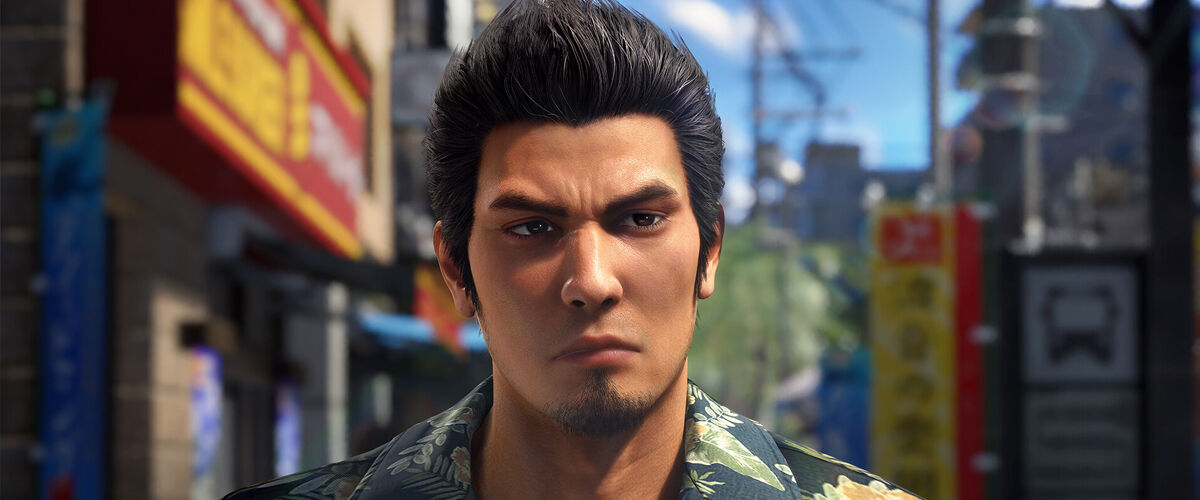
Revisiting a beloved game is always a risky move. Fans tend to treat original releases as fixed points in time—untouchable, imperfect maybe, but emotionally locked in place. So when a studio announces a remake that doesn’t just enhance but actively rethinks core design choices, the reaction is rarely neutral.
That tension sits at the heart of Yakuza Kiwami 3 & Dark Ties, RGG Studio’s ambitious reimagining of 2009’s Yakuza 3. It is not just a visual overhaul or a technical upgrade. It is a deliberate attempt to revisit one of the most divisive entries in the franchise and rebuild it for modern expectations without losing its identity.
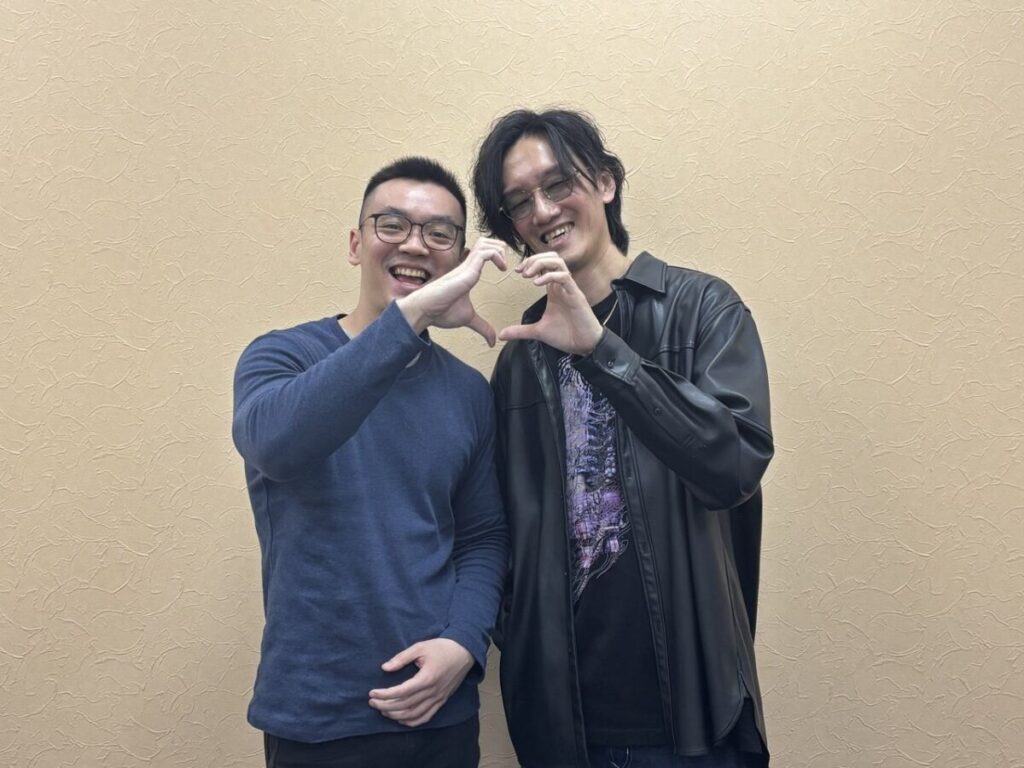
To understand how the team approached that challenge, we sat down with game director Ryosuke Horii during an extended preview session at SEGA’s headquarters in Tokyo. What emerged was not a simple explanation of design updates, but a philosophy about memory, preservation, and the uneasy balance between respect and reinvention.
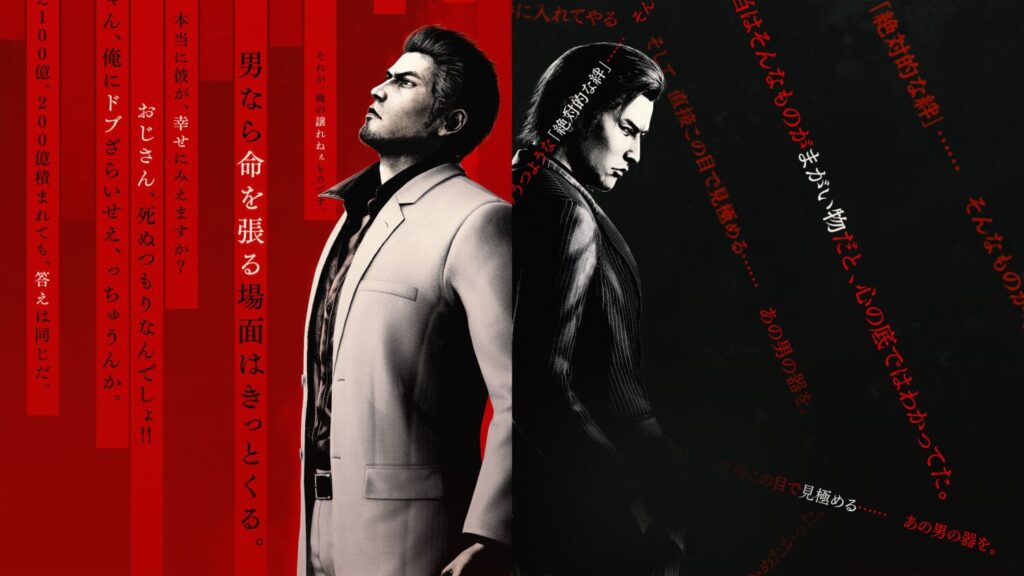
“Respect the Original, but Don’t Depend on It”
Horii is careful from the outset. The team knows Yakuza 3 has a loyal audience, even if its reputation remains complicated. Any attempt to alter it risks backlash. But doing nothing would defeat the purpose of a remake entirely.
He frames the entire project around a guiding principle that avoids both extremes: preserve the spirit of the original while refusing to be constrained by it.
He explains it as a conscious refusal to simply recreate what already exists. If the remake were identical in structure and feel, he argues, it would not justify its own existence. Worse, it would feel like a lack of imagination toward the original team’s work.
There is a quiet tension in his words—respect mixed with a willingness to challenge. That duality defines the project.
Why Yakuza 3 Needed Rethinking
When Yakuza 3 first released, its ambition was clear. The game leaned into slower pacing, more methodical combat, and a deeper focus on Kiryu’s life outside violence. But what was intended as tonal contrast often landed as friction.
Horii openly acknowledges that even within the development team, returning to the original today produces a stark reaction. The combat, in particular, feels rigid by modern standards. Enemies block excessively, pacing stalls, and encounters can feel less like dynamic fights and more like endurance tests.
Players at the time even gave it a nickname that reflects that frustration. Internally, the team understood that sentiment was not exaggerated—it was a response to how systems aged over time.
The same applies to the Morning Glory orphanage segments. Designed to humanize Kiryu and slow the narrative rhythm, they instead created a sharp break in pacing that many players struggled to reconnect from.
For Horii and his team, these weren’t flaws to erase history—they were friction points to re-evaluate.
Building Combat for a Modern Action Game
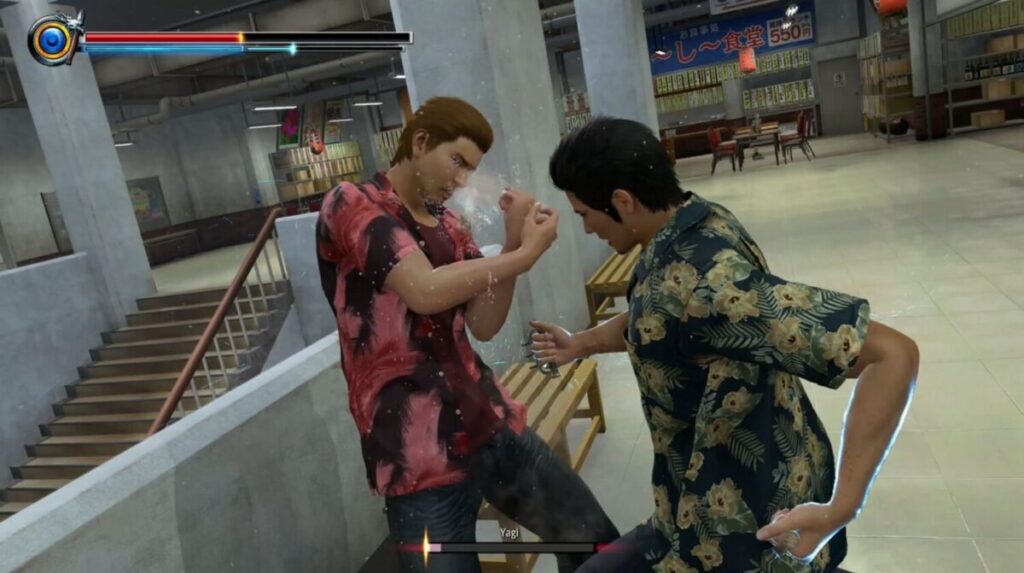
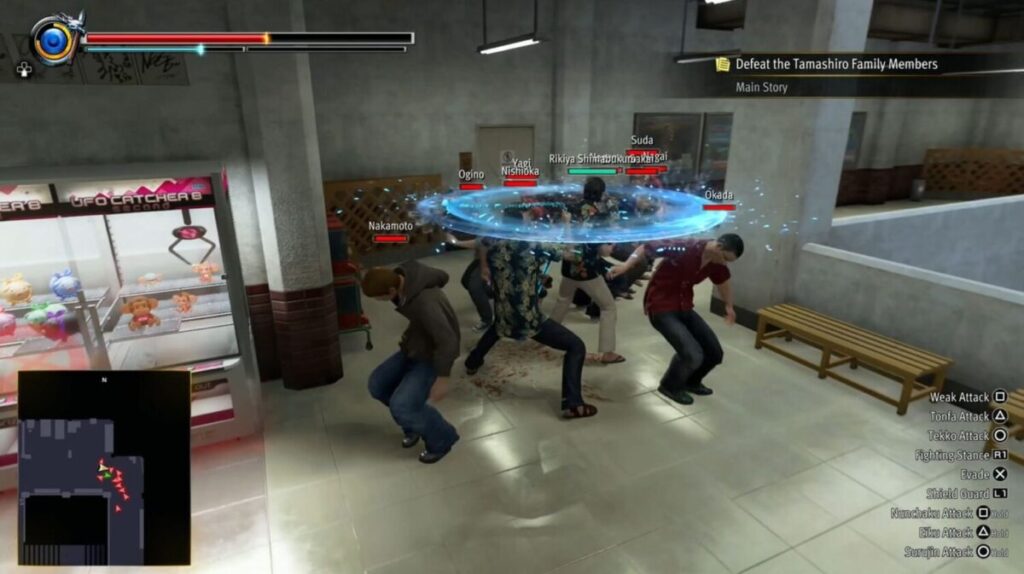
One of the first major decisions was how to rebuild combat from the ground up. The Dragon of Dojima style returns, preserving Kiryu’s identity at that point in his timeline. But the remake does not stop there.
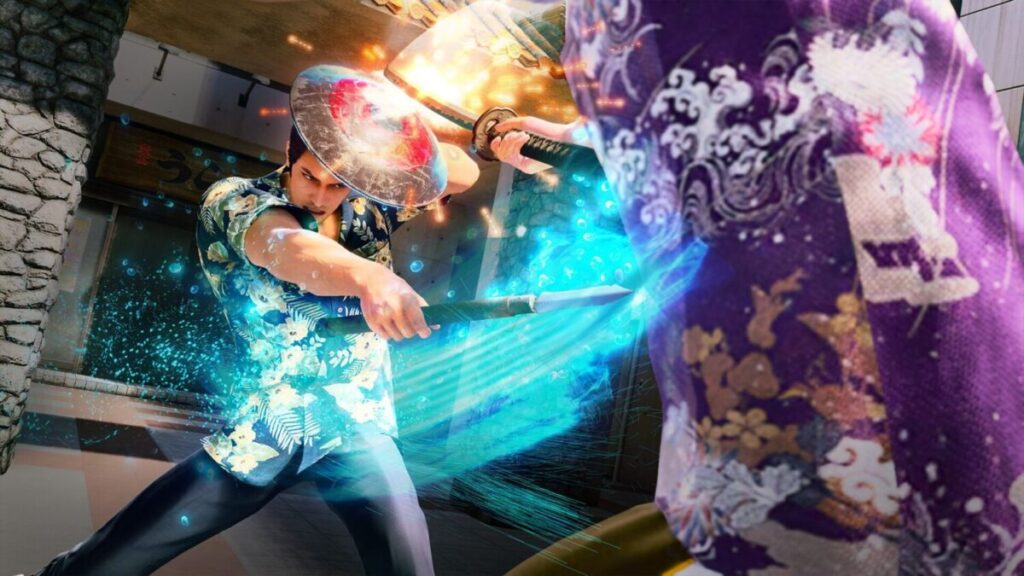
The team introduced a second fighting style inspired directly by Okinawa, the game’s setting. Rather than choosing a conventional martial art, they moved toward something more expressive and mechanically distinct: the Ryukyu Style.
This system incorporates weapon-based combat using traditional Okinawan tools, each offering different tactical advantages. The idea is not just visual variety, but adaptability. Players can shift between tools depending on enemy groups, spacing, and rhythm of combat.
Horii admits there was internal hesitation. Giving Kiryu access to multiple weapons risks breaking balance. At one point, even the team questioned whether it was too strong.
But testing changed that perception. Instead of undermining challenge, it created flow. Combat became less about limitation and more about decision-making under pressure.
Still, he is careful not to frame it as a replacement for the original style. Both systems are designed to coexist, with situational advantages encouraging switching rather than sticking to one approach.
Morning Glory Rebuilt as Playable Life
If combat was about fixing pacing issues, Morning Glory was about rethinking emotional engagement.
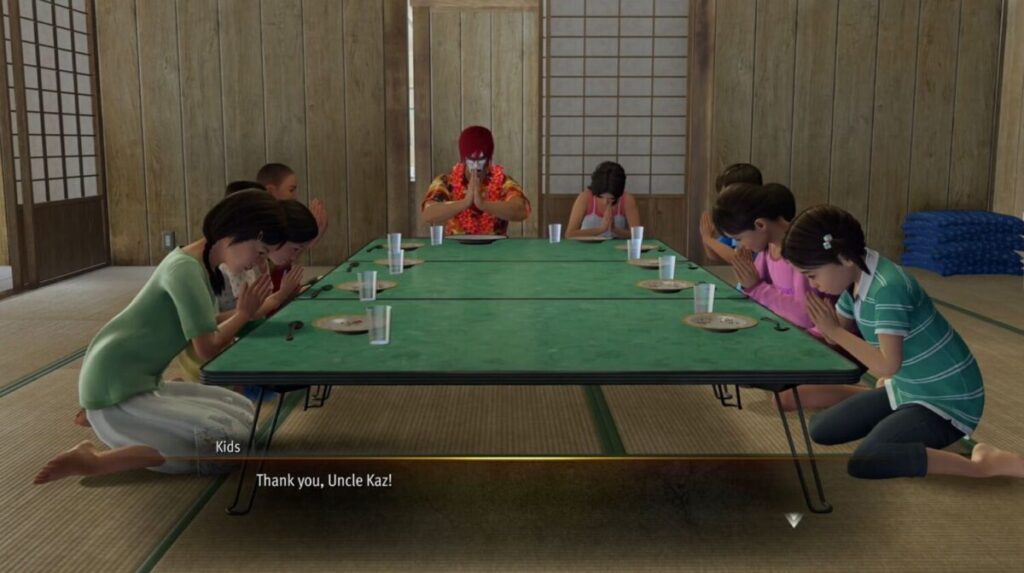
In the original game, Kiryu’s life at the orphanage was mostly conveyed through cutscenes. Warm, but passive. The remake transforms those moments into interactive systems.
Chores are now playable sequences, but not in a superficial sense. The design intent is to make domestic life feel like a structured rhythm rather than background narrative.
Horii explains that his personal experience as a parent influenced this redesign. The selection of activities wasn’t arbitrary. Cooking, sewing, helping with homework—these were chosen not just for variety, but for emotional authenticity.
He describes it plainly: Kiryu is a man defined by strength and violence, but placed into an environment that demands patience, repetition, and care. The contrast is the point.
Even simple tasks become structured mini-games, sometimes unexpectedly so. One example is sewing, which transforms into a rhythm-based experience inspired by classic arcade racing logic. What sounds like a joke in concept becomes a surprisingly coherent mechanic in practice.
Horii laughs when discussing it, but the design philosophy behind it is consistent: even mundane tasks should feel like active participation in Kiryu’s life.
Bonding, Responsibility, and Character Growth
Beyond chores, the remake introduces a relationship system tied to the orphanage children. Completing tasks builds trust, unlocking additional narrative moments that expand emotional context.
Horii frames this as more than a progression system. It is about reinforcing the idea that responsibility creates connection. The more effort Kiryu invests, the more the world opens up emotionally.
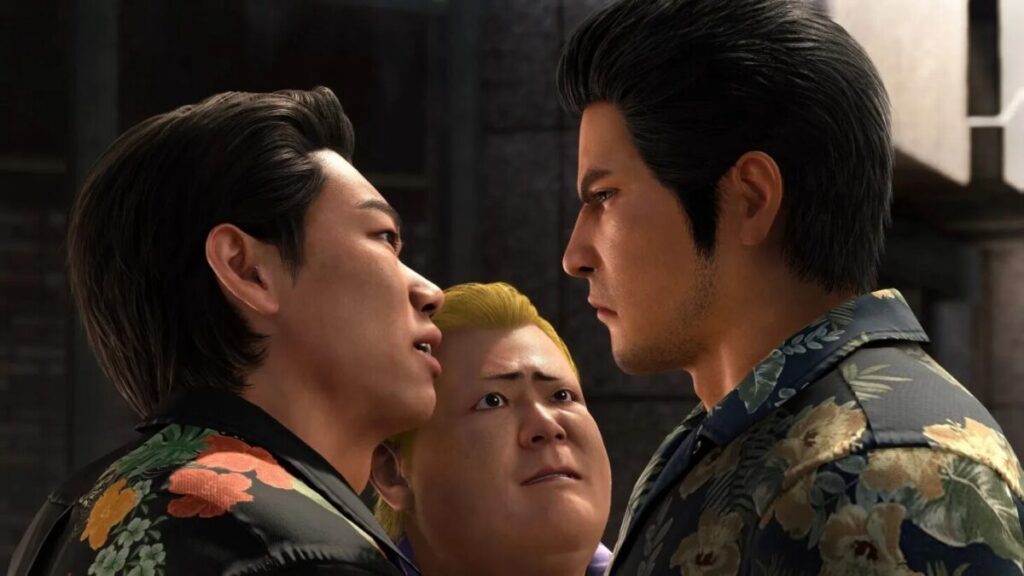
This also extends to returning characters. One of the most notable examples is Rikiya Shimabukuro, whose role has been expanded significantly. In the original, his development was limited by narrative space. Here, the team is actively exploring his motivations, his admiration for Kiryu, and the emotional foundations of his loyalty.
The goal is not to rewrite who these characters are, but to give them room to feel more complete.

Introducing Dark Ties and Expanding Perspective
Alongside the main remake sits Dark Ties, a parallel narrative chapter focusing on Mine, one of the original game’s more complex antagonists.
Horii hints that this additional content is not just supplementary material but part of a broader attempt to deepen perspective. Instead of treating characters as fixed roles—hero or villain—the remake explores the emotional and psychological weight behind their actions.
This approach reinforces a broader theme running through the project: legacy is not static. It is something constantly reinterpreted depending on how closely you look at it.
“We Didn’t Want to Just Rebuild It. We Wanted to Understand It Again.”
As the conversation continues, Horii returns repeatedly to the idea of reinterpretation rather than replication. The remake is not about correcting history. It is about re-engaging with it through a modern lens.
He is aware that this creates risk. Fans of the original may disagree with changes. Others may embrace them as necessary evolution. That tension, he suggests, is unavoidable.
But for the team, avoiding risk was never the goal.
What matters more is whether the remake feels alive—not as a replacement for the past, but as a continuation of it.
Release and Final Thoughts
With Yakuza Kiwami 3 & Dark Ties set for release on 12 February 2026 across multiple platforms, RGG Studio is positioning the project as both a technical upgrade and a narrative reconsideration of a divisive entry in the series.
It is not a safe remake. It is not a purely nostalgic one either.
Instead, it sits somewhere in between—respectful enough to honour its origins, but confident enough to question them.
And in Horii’s own framing, that may be the only way a remake like this can truly justify its existence.