

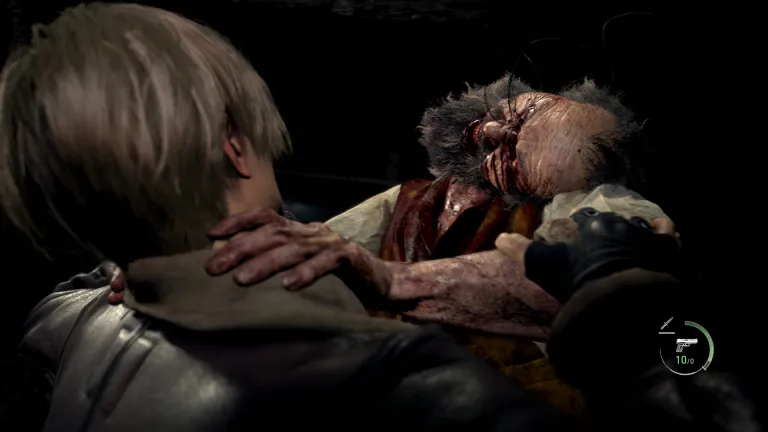
At first glance, the idea sounds like a joke that got out of hand. A Resident Evil game without horror, focused instead on farming, fishing, baking bread, and friendly neighborhood life? It feels like a deliberate contradiction of everything the franchise stands for.
Yet that is exactly the direction Hideki Kamiya, the director behind Resident Evil 2, recently entertained when responding to fans online. And while it may have been half in jest, the concept has taken on a life of its own—because it taps into something surprisingly relatable: the exhaustion of constant survival.
From Biohazards to Backyard Gardens
The mental image is striking. Instead of running through dark corridors filled with infected horrors, Leon S. Kennedy—longtime fan-favorite survivor of the Resident Evil series—has finally stepped away from global bioweapon catastrophes.
In this imagined version of events, Leon is no longer defined by trauma loops of destruction and escape. Instead, he has retired into rural life. His days are structured not around outbreaks, but around routine: tending crops, collecting eggs, fixing appliances for neighbors, and occasionally driving into town for supplies.
It is almost Stardew Valley filtered through the lens of a former government agent who has survived too much to ever fully relax.
The contrast is what makes the idea so compelling. Leon, a character shaped by panic, violence, and relentless escalation, reduced to something ordinary—yet still slightly haunted by who he used to be.
Kamiya’s Vision of a Slower Leon
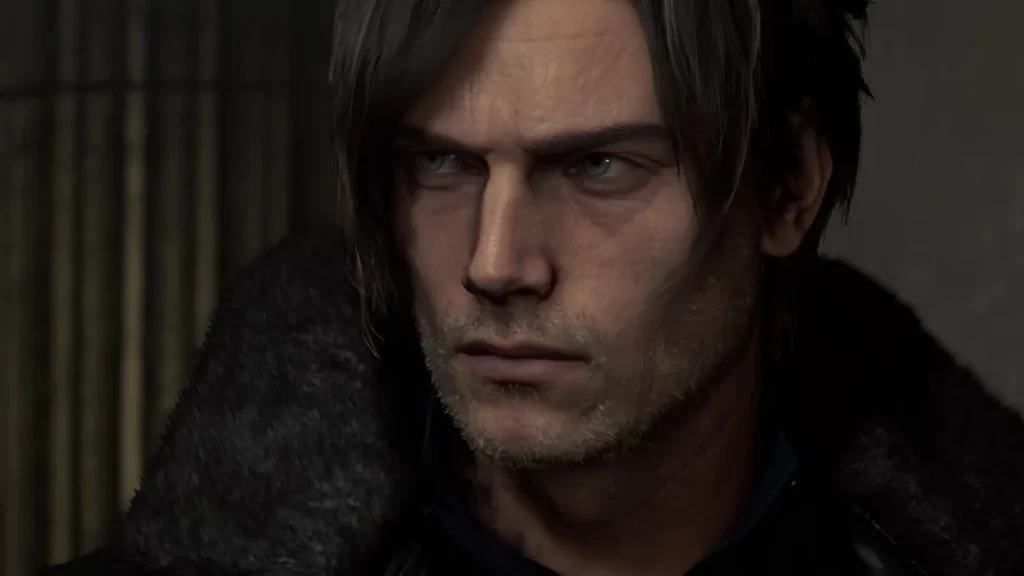
In his expanded description, Kamiya imagined Leon living a deliberately quiet life. Not just farming, but fully embracing the rhythm of rural existence: foraging, cooking, maintaining a home garden, and interacting with a close-knit community.
There is something almost comedic in the specificity. Driving long distances for groceries. Helping an elderly neighbor repair an oven. Selling lemonade at a local festival. These are not heroic acts in the traditional sense, but they become meaningful in a world where survival no longer depends on combat.
What makes this more interesting is that Leon’s identity is still present beneath the calm. He is not erased or rewritten—he is simply displaced into a life where his skills are no longer constantly needed.
The tension, then, is not between good and evil, but between peace and instinct.
A Franchise Known for Fear Meets a Creator Who Wants Less of It
The idea gains additional context when considering Kamiya’s long-standing relationship with horror games. While he helped shape one of the most iconic survival horror franchises, he has also been open about his discomfort with the genre’s intensity.
In public comments over the years, he has suggested that he prefers gameplay systems like puzzles and structured combat over sustained psychological fear. At one point, he even floated the idea of a “non-scary mode” for modern Resident Evil entries, arguing that players should be able to enjoy the mechanics without being subjected to constant tension.
That perspective helps explain why this farming-life version of Leon doesn’t feel entirely random. It reflects a broader curiosity: what happens when you remove fear from a series built on fear?
Leon Kennedy as the Last Person You’d Expect in a Cozy Game
The humor of the concept depends entirely on its protagonist.
Leon Kennedy has spent decades as one of gaming’s most resilient survivors. Since his introduction in Resident Evil 2 in 1998, he has endured collapsing cities, viral outbreaks, military conspiracies, airborne mutations, and repeated near-death experiences that would break most characters permanently.
By the time of his later appearances, he has become almost mythologized within the franchise—someone who walks into disasters and somehow walks back out again, usually with only marginal emotional damage and a slightly more tired expression.
That history is exactly why the idea of him calmly tending vegetables or grilling food at a community barbecue feels so absurd—and so appealing. It reframes his survival not as endless escalation, but as something that finally resolves into rest.
Fans Embrace the Idea of “Retired Leon”
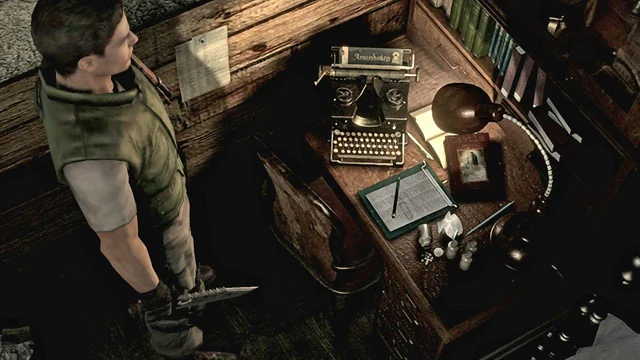
Despite its unlikely nature, the concept has found immediate enthusiasm among fans. Much of the reaction focuses on how emotionally satisfying it would be to see a character like Leon finally removed from the cycle of trauma that defines his story.
Instead of another mission, fans imagine him struggling with small domestic failures—overcooked barbecue, awkward social interactions, or the simple challenge of adjusting to normal life after decades of crisis response.
The humor is part of the appeal, but so is the sincerity. After so many entries built on survival, the idea of stability feels almost radical within the franchise.
A Different Kind of Resident Evil Experience
What makes the pitch interesting is not just the novelty of it, but what it implies about how far the series could stretch. Resident Evil has already evolved multiple times—shifting between fixed-camera horror, action-heavy gameplay, and modern first-person survival experiences.
A spinoff like this would push that evolution even further, not by increasing tension, but by removing it entirely. Instead of survival horror, it would become survival routine.
There would still be structure, goals, and systems—but they would be grounded in everyday life rather than catastrophic escalation.
Why the Idea Resonates Beyond the Joke
At its core, the concept taps into something broader than gaming: the desire to see long-running characters allowed to rest.
Leon Kennedy is not just a fighter. He is a character who has never been given a real exit from his role. Every story returns him to chaos. Every victory resets the board.
A peaceful spinoff reframes that cycle. It suggests an ending that isn’t dramatic or violent, but quiet and earned.
And that, more than anything, is why fans responded so strongly.
Conclusion: A Spinoff That Probably Won’t Happen—But Still Works
There is no indication that Capcom intends to turn this idea into an actual project. The mainline Resident Evil series continues to lean heavily into horror, and its commercial identity is tightly bound to tension, fear, and survival mechanics.
But the popularity of Kamiya’s suggestion highlights an interesting truth about long-running franchises: sometimes fans don’t just want bigger stakes or darker threats. Sometimes they want to see what happens when the fight is finally over.
Even if Leon Kennedy never trades bioweapons for watering cans, the image of him doing so has already succeeded in something important—it made the idea of peace feel like a valid ending for a character who has never known it.