

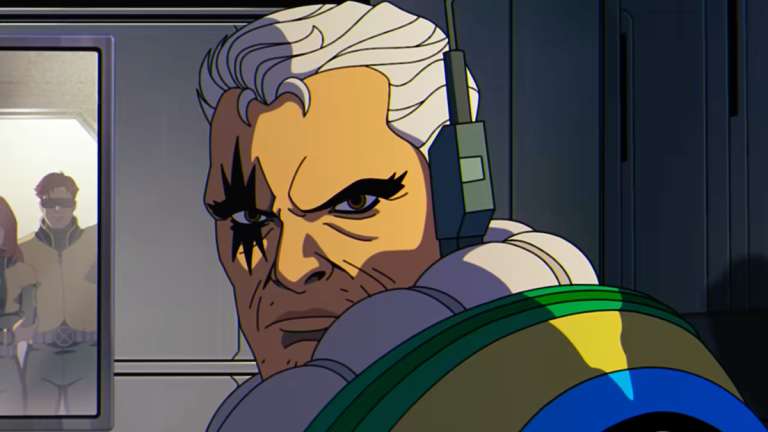
In many ways, X-Men ’97 succeeds not only as a continuation of a beloved animated series but also as a time capsule of Marvel’s creative identity in the 1990s. The show doesn’t simply revisit characters and storylines from X-Men: The Animated Series; it reanimates the visual excess, narrative density, and tonal contradictions that defined Marvel’s mutant comics during that decade.
From exaggerated costumes filled with belts, straps, and utility pouches to sprawling story arcs involving shifting allegiances and moral ambiguity, the series channels a specific era of comic book storytelling. That era was shaped by rapid expansion, intense competition, and a growing divide in fan preferences that would eventually become one of the most discussed cultural splits in comic book history: X-Force versus X-Factor.
The second season episode “A Force to Be Reckoned With” leans directly into this legacy, reintroducing both X-Factor and X-Force into the animated universe. In doing so, it doesn’t just bring back characters—it revives a philosophical divide about what superhero storytelling should be.
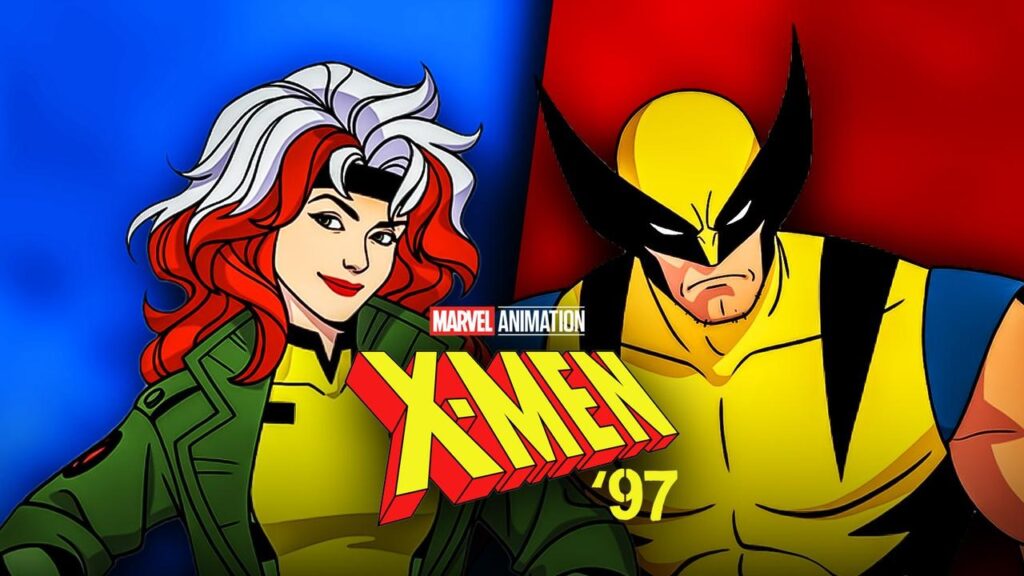
The 1990s Marvel Landscape: Expansion and Extremes
To understand the significance of these teams within X-Men ’97, it is necessary to revisit the comic book environment that produced them. The 1990s were a period of aggressive expansion for Marvel Comics. The success of X-Men and Uncanny X-Men led to spin-offs designed to capture different tones and audiences.
Among these, X-Force and X-Factor emerged as two radically different interpretations of the mutant concept. While both operated within the same fictional universe, they represented opposing creative instincts: one leaning into stylized excess and action-driven storytelling, the other into character depth, humor, and psychological exploration.
This contrast was not accidental. It reflected broader tensions within the comic book industry itself, where editorial direction, artistic experimentation, and fan demand often pulled stories in conflicting directions.
X-Force: The Age of Extremes
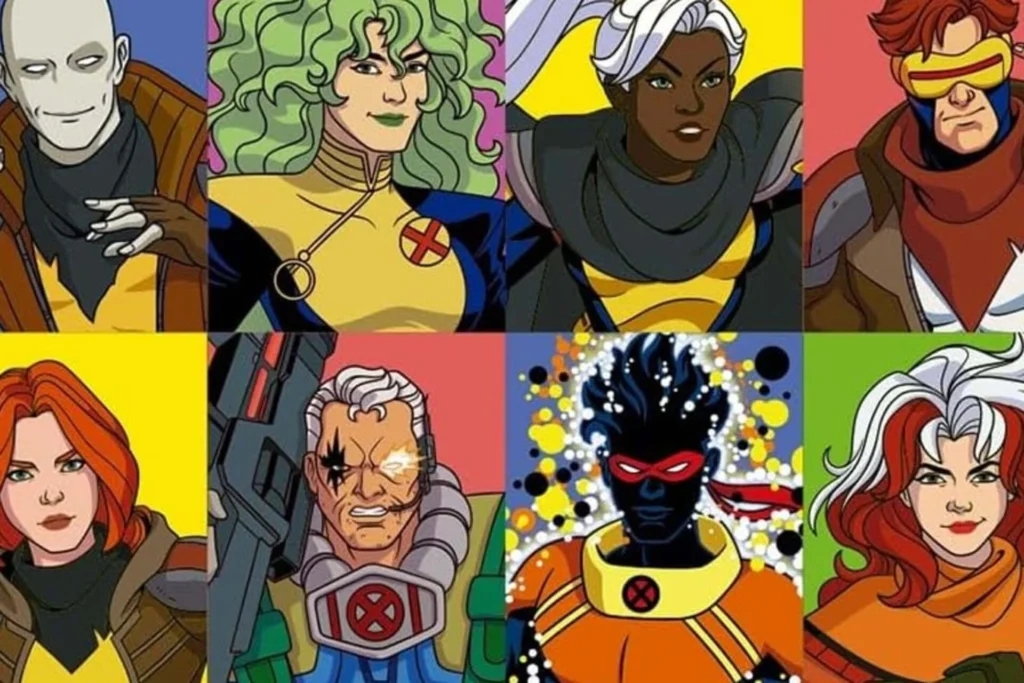
X-Force originated from the transformation of the New Mutants, a group of younger students originally introduced as a developmental counterpart to the X-Men. Under early creative direction, the series focused on adolescent experiences, emotional growth, and the gradual discovery of mutant abilities.
However, the arrival of Cable marked a decisive shift in tone. The team transitioned from a coming-of-age narrative into a militarized strike force operating in a world of preemptive conflict and high-stakes missions. The change aligned with the broader 1990s trend toward darker, more aggressive superhero storytelling.
With the launch of X-Force #1 in 1991, the series fully embraced this new identity. It became known for its exaggerated visual style, high-intensity action, and larger-than-life character designs. Weaponry became oversized, costumes became increasingly tactical and stylized, and storytelling often prioritized impact over restraint.
The influence of artists like Rob Liefeld was central to this evolution. His work helped define the aesthetic of the era—dynamic, chaotic, and intentionally maximalist. Stories frequently pushed narrative and visual boundaries, sometimes at the expense of traditional structure, but always with a focus on energy and spectacle.
Despite criticism from some corners of the industry, X-Force achieved significant commercial success. It became one of Marvel’s most recognizable titles of the decade, spawning merchandise, spin-offs, and crossover events that reinforced its popularity.
X-Factor: Character Over Chaos
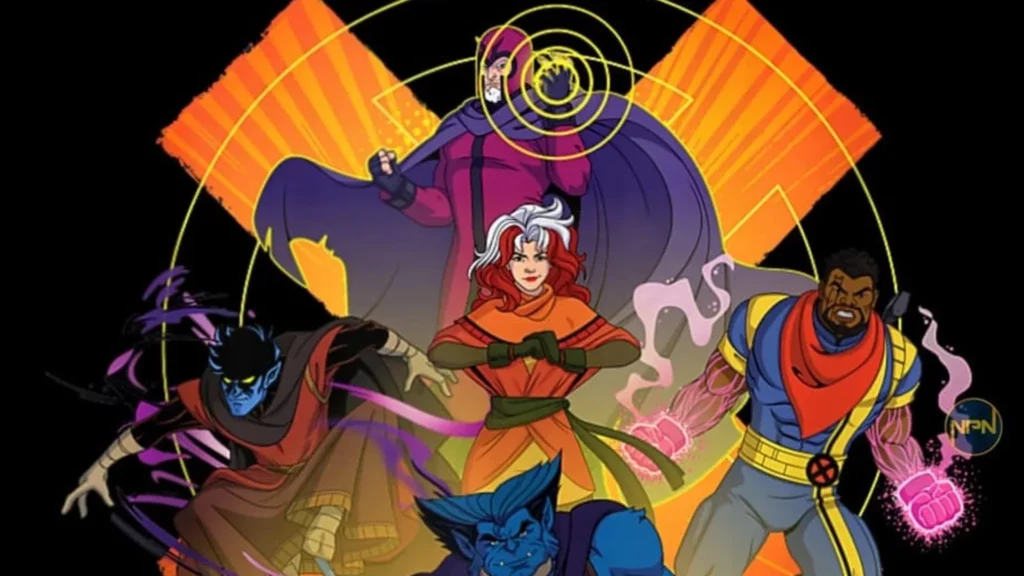
In contrast, X-Factor developed a reputation for a more grounded and character-focused approach to storytelling. Its early iteration reunited the original X-Men lineup, but it was the later version of the series—introduced in the early 1990s—that defined its lasting identity.
Under the creative direction of Peter David, X-Factor evolved into a government-affiliated mutant team tasked with managing public relations between humans and mutants. The lineup consisted of deeply flawed, often mismatched characters whose interactions formed the emotional core of the series.
Rather than focusing on large-scale battles, the narrative emphasized dialogue, internal conflict, and psychological depth. Humor played a central role, often used to reveal deeper emotional truths about the characters rather than simply providing comic relief.
One of the most distinctive features of this era of X-Factor was its willingness to experiment with storytelling structure. Entire issues were dedicated to therapy sessions, interpersonal discussions, and introspective character studies. These narrative choices reinforced the idea that superhero stories could function as character-driven drama rather than purely action-based spectacle.
This approach, while critically praised, did not achieve the same commercial dominance as X-Force. However, it developed a loyal readership that valued its emotional complexity and narrative intelligence.
Competing Philosophies in the Mutant Universe
The coexistence of X-Force and X-Factor created an internal contrast within the broader X-Men publishing ecosystem. While X-Force represented speed, intensity, and visual spectacle, X-Factor embodied introspection, dialogue, and emotional realism.
These differences were not limited to storytelling style; they reflected fundamentally different ideas about what superhero comics were meant to achieve. One prioritized entertainment through escalation and action, while the other prioritized engagement through character development and thematic depth.
This divergence also fueled debates among readers. Comic book stores became informal arenas where fans defended their preferred series, often aligning themselves with either the high-energy aesthetic of X-Force or the narrative sophistication of X-Factor. These discussions became part of the cultural fabric of 1990s fandom, shaping how readers engaged with serialized storytelling.
X-Men ’97: Reinterpreting a Creative Divide
By reintroducing both X-Force and X-Factor in X-Men ’97, the series revisits not only characters but also the ideological split that defined their original publication history. The episode “A Force to Be Reckoned With” draws on this tension, using it as both narrative material and thematic subtext.
The interaction between the two teams reflects more than just crossover storytelling. It mirrors the broader conversation about what mutant stories represent: action-driven rebellion or emotionally grounded identity exploration.
In bringing these groups into the same animated space, the series highlights how both approaches contributed to the richness of Marvel’s mutant mythology. Rather than choosing one interpretation over the other, X-Men ’97 allows both to coexist, emphasizing the diversity of storytelling that defines the X-Men franchise.
Legacy and Continuing Influence
The legacy of X-Force and X-Factor extends far beyond their original publication runs. Elements of both teams continue to influence modern Marvel storytelling, from cinematic adaptations to contemporary comic book writing.
X-Force has evolved into a symbol of tactical, high-stakes mutant operations, often associated with morally ambiguous missions and covert action. Meanwhile, X-Factor remains a reference point for character-driven storytelling and ensemble dynamics focused on interpersonal relationships.
The revival of these concepts in X-Men ’97 demonstrates the enduring relevance of both approaches. It also underscores how 1990s comic book culture continues to shape modern interpretations of superhero narratives.
Conclusion: Two Sides of the Same Mutant Legacy
Ultimately, the contrast between X-Force and X-Factor is not a matter of superiority, but of perspective. Each represents a different way of understanding the X-Men mythos—one through spectacle and intensity, the other through character and introspection.
By revisiting both teams, X-Men ’97 does more than pay homage to the past. It reconstructs a creative dialogue that defined an entire era of comic book storytelling. In doing so, it reminds audiences that the richness of the X-Men universe lies not in a single interpretation, but in the ongoing tension between many different visions of what it can be.