

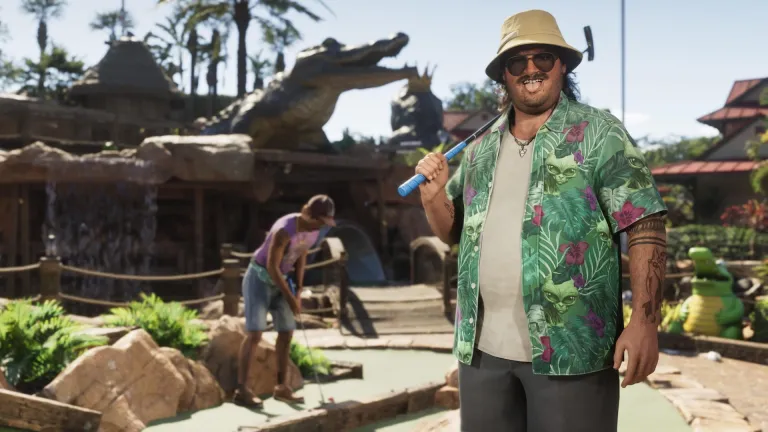
Grand Theft Auto VI has become less of a game release and more of a gravitational force. Studios are no longer just planning their own launches; they are actively steering away from Rockstar Games’ looming blockbuster as if it were a storm system gathering strength over the industry. The result is a release calendar that looks unusually cautious, compressed, and strategically defensive.
It’s not just marketing hype or fan speculation. Developers and publishers openly acknowledge the reality: GTA 6 is not a competitor in the traditional sense. It is an event. And when an event of that scale arrives, everything nearby risks being drowned out.
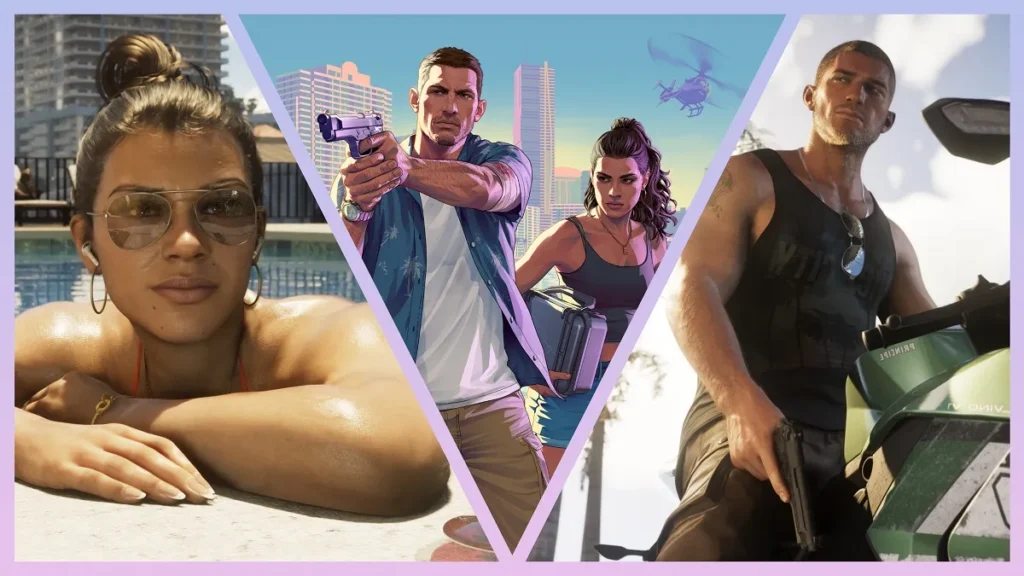
A Market Dominated by One Release
The influence of GTA 6 has already reshaped late 2026’s release strategy. Instead of a balanced spread of major titles across the year, publishers are clustering launches into narrower windows—carefully avoiding the expected November 19 release date.
Eric Chort, producer on Resonance: A Plague Tale Legacy, described Rockstar’s presence in blunt terms, comparing GTA to “the biggest ogre” in the room. That metaphor has stuck because it captures how the industry now behaves: not in competition with GTA 6, but in avoidance of it.
Studios are shifting schedules, delaying announcements, and reconsidering marketing cycles simply to avoid being visually and culturally overshadowed.
The Compression of the Release Calendar
As GTA 6 dominates the late-year conversation, other major games are being pushed into unusually tight windows in September and October. This creates a dense cluster of high-profile releases competing for attention before Rockstar’s game arrives.
On paper, some of these titles would normally have no reason to fear overlap. Franchises like Call of Duty, Silent Hill, or major superhero adaptations would typically dominate their own news cycles. But GTA 6 changes the equation entirely.
Even strong intellectual properties are now treated as if they risk being swallowed whole if released too close to Rockstar’s launch window. The effect is not just commercial—it’s psychological. The industry is reacting to player attention as a finite resource that GTA 6 is poised to monopolize.
The Culture of Anticipation Around GTA 6
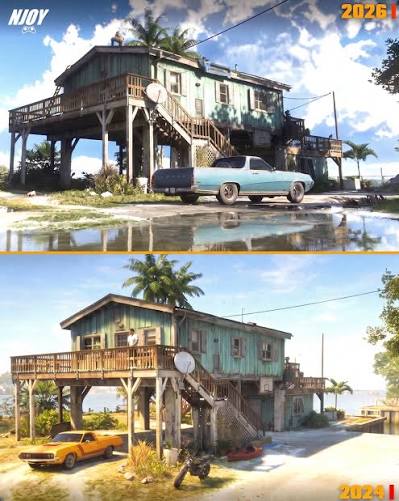
Part of what makes GTA 6 so disruptive is not just Rockstar’s marketing strategy, but the culture that has formed around anticipation itself.
Online communities have spent years dissecting trailers, rumors, and leaks. The emotional investment from fans has reached a level where even speculative content generates viral reactions. In extreme cases, fans have expressed intense personal fixation on release dates and promotional events, treating them almost like shared cultural milestones rather than standard marketing beats.
This intensity creates a feedback loop: the more anticipation builds, the more the industry adjusts around it.
The Few Who Refuse to Move
Despite widespread avoidance, a small number of releases have chosen not to step aside. Interestingly, they are not all traditional AAA competitors.
Two upcoming titles from Atari—Barbie: Rewind and Godzilla: Destroy All Monsters Melee Remastered—have landed in the same general window, sparking curiosity about whether they are intentionally challenging GTA 6’s dominance or simply operating on a different strategic logic.
These projects rely heavily on nostalgia rather than direct competition. Their audience expectations are fundamentally different. Instead of competing for the same cultural attention as Rockstar’s hyper-realistic open world, they lean into recognizable IPs and established emotional appeal.
In that sense, they are not so much “challengers” as they are counter-programming.
Nostalgia Versus Cultural Dominance
The presence of nostalgia-driven releases in the same period highlights an important dynamic in modern gaming: not every game is fighting for the same battlefield.
GTA 6 represents scale, realism, and cultural saturation. Games like Atari’s remakes represent familiarity, accessibility, and emotional recall. These are different forms of engagement, even if they share the same release calendar.
Still, launching near GTA 6 is a calculated risk. Visibility becomes harder to secure, press coverage becomes more fragmented, and even strong word-of-mouth can struggle to break through the noise.
The Strategic Reality Behind the Avoidance
From a business standpoint, avoiding GTA 6 is not fear—it’s resource management. Marketing budgets, influencer campaigns, and launch visibility all depend on timing. Competing directly with a cultural event of GTA 6’s scale can dilute even well-funded launches.
This is why publishers are clustering around earlier windows or deliberately distancing themselves from Rockstar’s expected release date. The goal is simple: ensure that when a game launches, it is not immediately overshadowed by the most anticipated entertainment product in years.
Conclusion: A Calendar Rewritten by One Game
Whether GTA 6 ultimately lives up to its mythic status is almost secondary at this point. Its impact on the industry is already measurable in scheduling decisions, marketing strategies, and release anxiety across studios.
Most developers are not asking how to beat GTA 6. They are asking how to survive its release window.
And while a few nostalgic or niche titles are willing to share the stage, the broader industry has already made its judgment: when Rockstar speaks, everyone else reschedules.