


The upcoming sequel to The Social Network has already generated significant attention, not only because of its subject matter but also due to a major casting change that reshapes the continuity of one of the most recognizable performances of the 2010s. Jesse Eisenberg, who originally portrayed Mark Zuckerberg in David Fincher’s critically acclaimed 2010 film, will not be returning for the follow-up directed by Aaron Sorkin. Instead, the role of the Meta founder will be taken over by Jeremy Strong, known for his performance in Succession.
Eisenberg’s decision to step away from the project has naturally sparked discussion, particularly given how closely his performance became associated with the cinematic depiction of Facebook’s rise. While the actor has expressed admiration for Sorkin and the creative process behind the sequel, his comments suggest that the decision was rooted in both personal direction and a broader discomfort with remaining attached to the character.
A Role That Defined a Career, but Did Not Define the Future
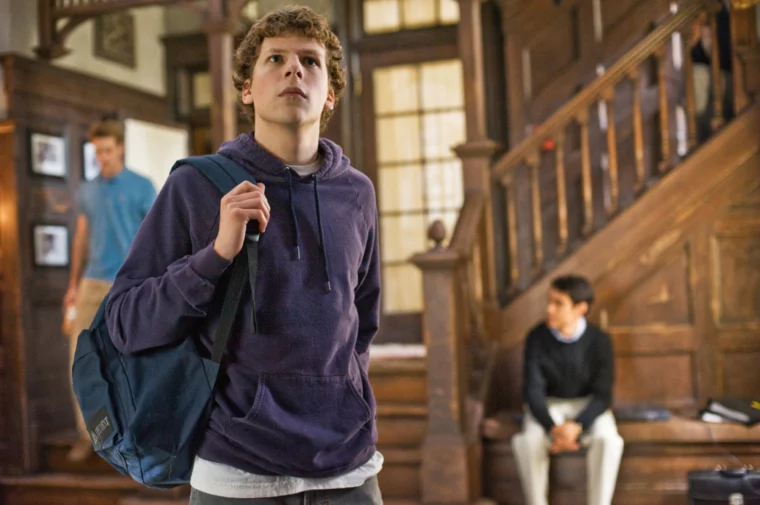
When The Social Network was released in 2010, Eisenberg’s portrayal of Zuckerberg became one of the defining elements of the film’s success. Directed by David Fincher and written by Aaron Sorkin, the film presented a stylized and dramatized account of Facebook’s early days, blending legal conflict, ambition, and personal betrayal into a narrative that resonated strongly with audiences and critics alike.
Eisenberg’s performance earned widespread recognition, positioning him as a key figure in modern cinema. However, as time passed and Facebook evolved into Meta, the real-world figure of Mark Zuckerberg became increasingly controversial, especially in relation to debates around privacy, misinformation, and platform responsibility.
It is within this context that the idea of returning to the role carried a different weight than it might have a decade earlier.
A Decision Framed by Creative Direction
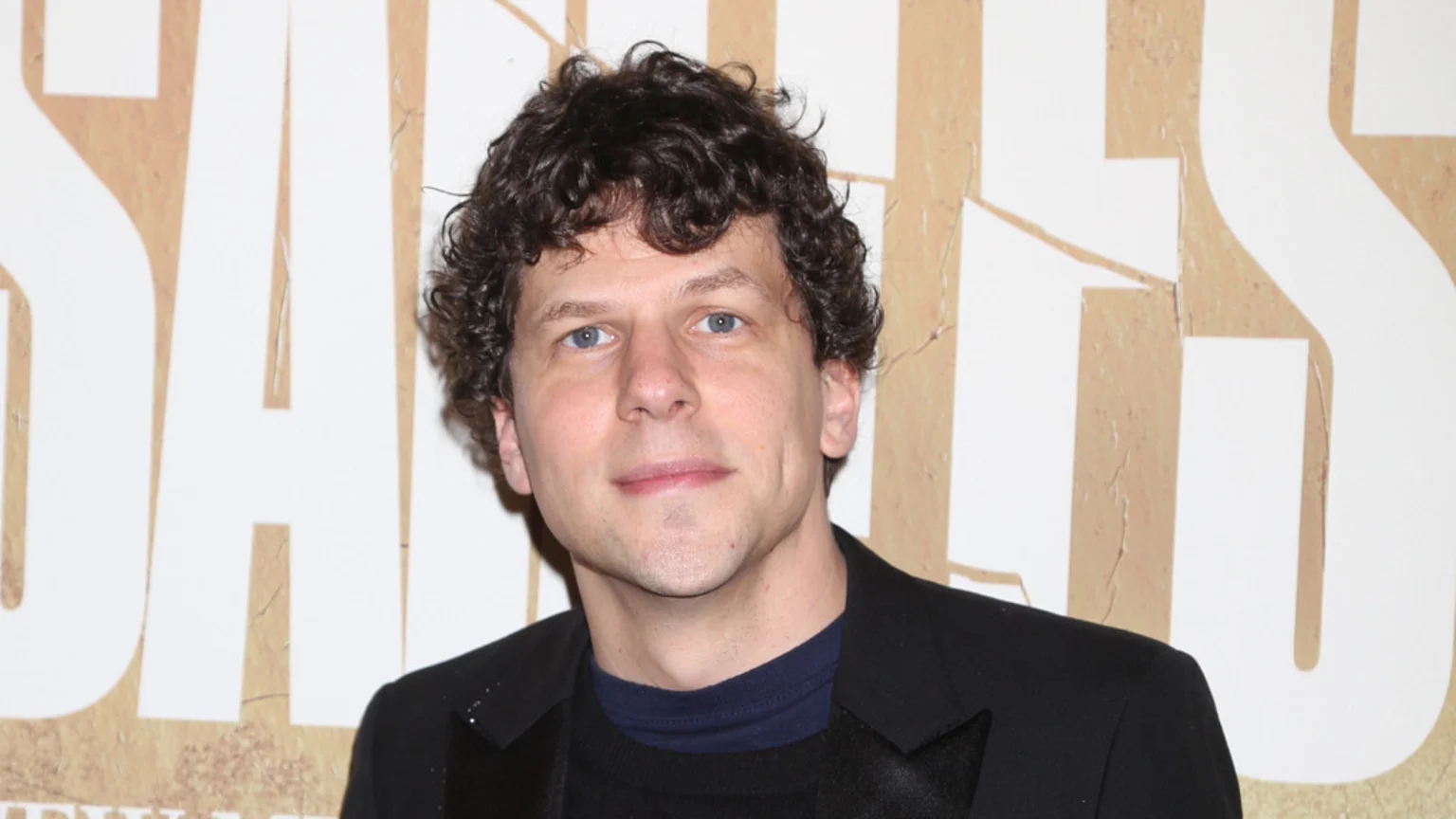
Speaking about the sequel during a recent interview at the premiere of Minions & Monsters, Eisenberg reflected on his conversations with Aaron Sorkin. He described the experience of discussing the project as engaging and intellectually stimulating, emphasizing Sorkin’s distinctive communication style and creative clarity.
According to Eisenberg, the discussions around the film extended over several days, reflecting genuine consideration before arriving at a final decision. While he did not question the quality or ambition of the project itself, he ultimately chose not to participate.
His explanation pointed toward a broader sense of artistic direction. Rather than revisiting a role so closely tied to a specific historical and cultural moment, Eisenberg suggested that he was moving in a different direction in his career and personal focus.
The Weight of Association with Real-World Figures
One of the more striking elements of Eisenberg’s comments concerns the psychological and reputational implications of portraying real-life figures, particularly ones who remain active and controversial in public discourse. Unlike fictional characters, portrayals of living or recently active individuals often carry long-term associations that extend beyond the film itself.
Eisenberg has previously addressed this issue in earlier interviews, noting that continued association with Zuckerberg’s public persona raises complex questions. As Meta’s policies and public perception have evolved, the character’s real-world counterpart has become a focal point of debate in technology, politics, and media ethics.
This evolving context appears to have influenced Eisenberg’s reluctance to revisit the role. The actor has expressed discomfort with the idea of being permanently linked to decisions and actions made by the real Zuckerberg, particularly in areas involving platform governance, misinformation, and safety policies.
From Cinematic Interpretation to Cultural Responsibility
The original The Social Network was never intended as a documentary. It was a dramatized interpretation of events, filtered through Sorkin’s sharp dialogue and Fincher’s precise visual storytelling. Nevertheless, audiences often blur the line between cinematic portrayal and historical reality, especially when performances are as widely praised and culturally embedded as Eisenberg’s Zuckerberg.
This phenomenon creates a unique challenge for actors. Once a portrayal becomes iconic, it can shape public perception of both the character and the real individual behind it. In Eisenberg’s case, the association between actor and subject has remained strong for over a decade, even as both Facebook and Zuckerberg’s public role have significantly evolved.
Eisenberg’s decision not to return can therefore be interpreted not only as a personal choice but also as a reflection of the broader complexities involved in revisiting roles tied to ongoing real-world narratives.
Aaron Sorkin’s Sequel and a New Interpretation of Zuckerberg
With Eisenberg stepping away, the sequel introduces Jeremy Strong in the role of Mark Zuckerberg, signaling a new interpretative direction for the character. Strong’s acting style, known for its intensity and psychological depth, suggests a different tonal approach to the material compared to the original film.
While details of the sequel remain limited, expectations are high given Sorkin’s involvement and the cultural significance of the source material. The decision to recast rather than retire the character indicates that Zuckerberg’s story continues to be viewed as relevant to contemporary discussions about technology, power, and social influence.
Eisenberg’s comments, while respectful toward the project, reinforce the idea that this new installment will not be a continuation of his interpretation, but rather a reimagining through a different artistic lens.
A Broader Reflection on Artistic Identity
Beyond the specifics of casting and production, Eisenberg’s decision highlights a recurring question in long-running cultural franchises and biographical storytelling: to what extent should actors remain tied to roles that define them publicly, especially when those roles involve real individuals with evolving public identities?
For Eisenberg, the answer appears to lean toward separation rather than continuation. His framing of the decision emphasizes movement, growth, and the importance of not remaining confined to a single artistic identity, even one as successful as his portrayal in The Social Network.
This approach reflects a broader trend among actors who seek to diversify their careers rather than revisit defining roles, particularly when those roles intersect with complex political or technological realities.
Conclusion: Stepping Away from a Defining Role
Jesse Eisenberg’s absence from the sequel to The Social Network is not framed as a rejection of the project itself, but rather as a personal and professional decision shaped by time, context, and evolving creative priorities. While his portrayal of Mark Zuckerberg remains one of the most recognized performances of the past two decades, the decision not to return underscores a desire to move beyond that association.
As the sequel moves forward with Jeremy Strong in the role, it enters a new interpretive phase, one that will inevitably be compared to the original but will also stand as a separate artistic statement. Eisenberg’s departure, in this sense, becomes part of the story itself—reflecting how both cinema and real-world technology continue to evolve in parallel, often in unexpected directions.